Focus Techniques
How ADHD Brains Handle Focus Differently
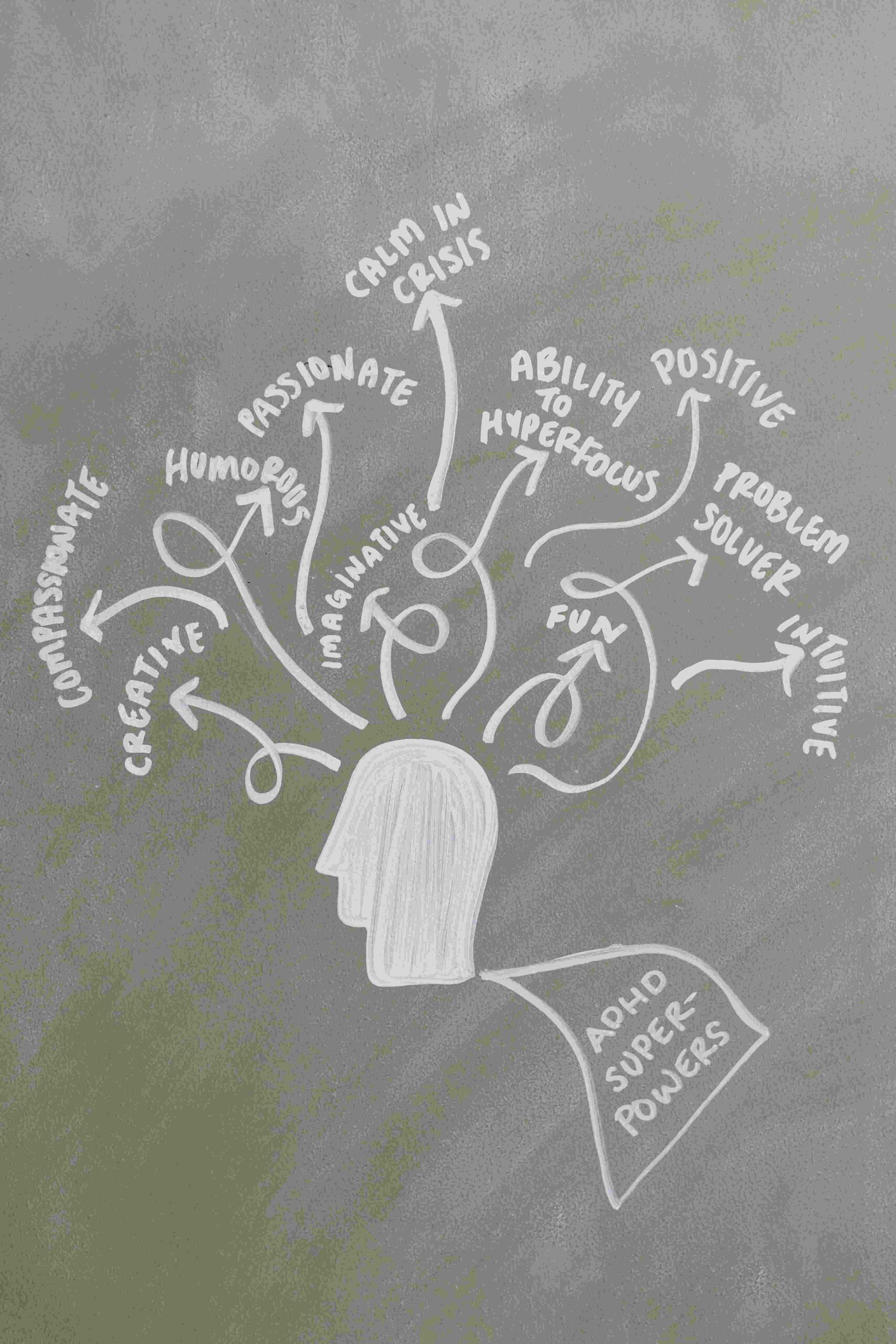
ADHD focus is not a discipline problem. ADHD brains often need novelty, reward, movement, visible time, and external structure. Build a focus system your brain can actually use.
ADHD Focus Is Different, Not Broken
If you have ADHD, you may have been told to “just try harder.”
That advice misses the point.
ADHD is a neurodevelopmental difference that can affect attention, impulse control, activity level, and executive function. It is not laziness. It is not a character flaw.
For many ADHD brains, the hard part is starting, switching, remembering, estimating time, and staying with a boring task.
Better systems help.
The Executive Function Problem
Executive function is the brain’s management system. It helps you start tasks, prioritize, hold steps in working memory, notice time passing, switch activities, and finish what you started.
When executive function is inconsistent, focus can look random.
One day you can deep-clean the house at 11pm. The next day, one email feels impossible.
That is not hypocrisy. It is often an interest, urgency, energy, or reward problem.
Hyperfocus Is Powerful, But Needs Guardrails
ADHD is not always “no focus.”
Sometimes it is too much focus on the wrong thing.
Hyperfocus can help with creative work, coding, learning, and problem solving. Unmanaged, it can also swallow meals, sleep, appointments, and the rest of the day.
Channel it:
- Set a timer first
- Use alarms with labels
- Define the stopping point first
- Ask someone to check in if the task matters
Hyperfocus is useful when it has rails.
Why “Just Focus Harder” Fails
“Try harder” assumes focus is a moral choice.
For ADHD brains, focus is often state-dependent. The right state can make a task suddenly possible. The wrong state can make a simple task feel physically blocked.
Ask:
- Is the reward too distant?
- Is there enough urgency?
- Does my body need movement?
- Is the environment wrong for my brain?
This turns “What is wrong with me?” into “What support is missing?”
What Actually Helps ADHD Brains Focus
1. Novelty And Variability
Monotony kills attention.
Try a different chair, playlist, timer length, task order, or checklist.
You are not being inconsistent. You are adding stimulation.
2. External Accountability
ADHD brains often respond well to external pressure: body doubling, coworking calls, public commitments, deadline check-ins, or sending a “done” message.
Accountability makes the task real.
3. Reward Loops
If the task has no immediate reward, add one.
Coffee after one work cycle. A walk after two. A checkbox. Five minutes of guilt-free scrolling.
Small rewards help your brain connect effort with payoff.
4. Movement And Stimulation
Stillness is not always focus.
Try standing, pacing, fidget tools, chewing gum, walking breaks, or stretching between timers.
For some ADHD brains, movement makes attention possible.
ADHD-Friendly Pomodoro Tweaks
The standard Pomodoro is 25 minutes work, 5 minutes break.
Good starting point. Not a law.
Try:
- 10/3 for task initiation
- 15/5 for admin or study
- 25/5 for normal focus
- 45/10 when hyperfocus is already active
Keep a notepad nearby for random thoughts. Add a reward after each cycle.
Most important: make the first cycle tiny. “Open the document” counts.
Environment Hacks That Matter
Your environment should reduce decisions.
Try:
- Clear only the visible work surface
- Use headphones, brown noise, or silence
- Keep one capture note for stray thoughts
- Put the phone out of reach
- Use visible timers and clocks
Build the desk that gets you started.
When Support Lines Up
Medication can be life-changing for some people. So can therapy, coaching, sleep, meditation, and practical systems.
This article is not medical advice. If medication or diagnosis is relevant for you, talk to a qualified clinician.
The point is alignment. When biology, environment, and technique line up, focus gets easier.
Try This Today
Pick one task you are avoiding.
Set a timer for 10 minutes.
Make the goal tiny: open the file, write three lines, reply to one message, clear one surface.
When the timer ends, take a real break and give yourself a small reward. That is ADHD-friendly focus: small start, visible time, fast feedback.
Try the KairoFocus Pomodoro timer
What Works For You?
ADHD brains are not all the same.
What is one focus hack that actually helps you?
Share it in the comments.
Photo by Tara Winstead: https://www.pexels.com/photo/adhd-super-powers-written-on-chalkboard-8378741/